Adventure tourism is transforming the way people travel, drawing millions worldwide who crave more than routine sightseeing. With over 56 percent of global travelers seeking experiences that challenge their limits, this growing trend offers a blend of excitement, risk, and personal discovery. By exploring natural landscapes and new cultures, adventurers shape unforgettable stories and push beyond ordinary trips. Uncover what truly defines adventure tourism, its key elements, and the types of activities that keep thrill-seekers coming back for more.
Table of Contents
- Defining Adventure Tourism and Its Core Elements
- Main Types of Adventure Tourism Activities
- How Adventure Tourism Experiences Work
- Key Safety Standards and Best Practices
- Risks, Legal Issues, and Responsible Travel
Key Takeaways
| Point | Details |
|---|---|
| Adventure Tourism Elements | Comprises physical activity, natural environment, and cultural immersion, creating transformative travel experiences. |
| Types of Adventure Activities | Categorized into land-based, water-based, and air-based activities, each offering unique thrill levels and challenges. |
| Safety Standards | Essential safety measures include high-quality equipment, qualified instructors, and comprehensive risk assessment protocols to ensure participant safety. |
| Responsible Travel Principles | Emphasizes minimizing environmental impact and respecting local cultures, promoting sustainable tourism practices for a meaningful adventure experience. |
Defining Adventure Tourism and Its Core Elements
Adventure tourism is far more than just an ordinary vacation. It’s an immersive experience that pushes personal boundaries, challenges comfort zones, and creates transformative memories through unique interactions with nature and culture. According to the americanjournal.org, adventure tourism is fundamentally characterized by several core psychological and experiential elements.
The Adventure Travel Trade Association defines this dynamic travel segment by three primary components: physical activity, natural environment, and cultural immersion. These elements transform a standard trip into an extraordinary journey. Specifically, adventure tourism involves activities that incorporate at least two of these key characteristics, creating experiences that are both physically engaging and deeply meaningful.
From soft to hard adventure activities, these experiences span a wide spectrum. guides.loc.gov categorizes adventure tourism into two primary classifications:
-
Soft Adventure Activities: Lower intensity experiences like
- Cycling
- Camping
- Water skiing
- Snow skiing
- Horse riding
-
Hard Adventure Activities: High-intensity, more challenging experiences such as
- Mountain biking
- Caving
- Rock climbing
- Water adventures
- Wilderness expeditions
When exploring adventure tourism, travelers seek more than simple recreation. They chase uncertain outcomes, embrace potential risks, and anticipate transformative rewards. The emotional landscape includes excitement, stimulation, exploration, and a profound sense of personal discovery. Each adventure becomes a narrative of challenge, growth, and unforgettable experiences that extend far beyond traditional travel boundaries.
Main Types of Adventure Tourism Activities
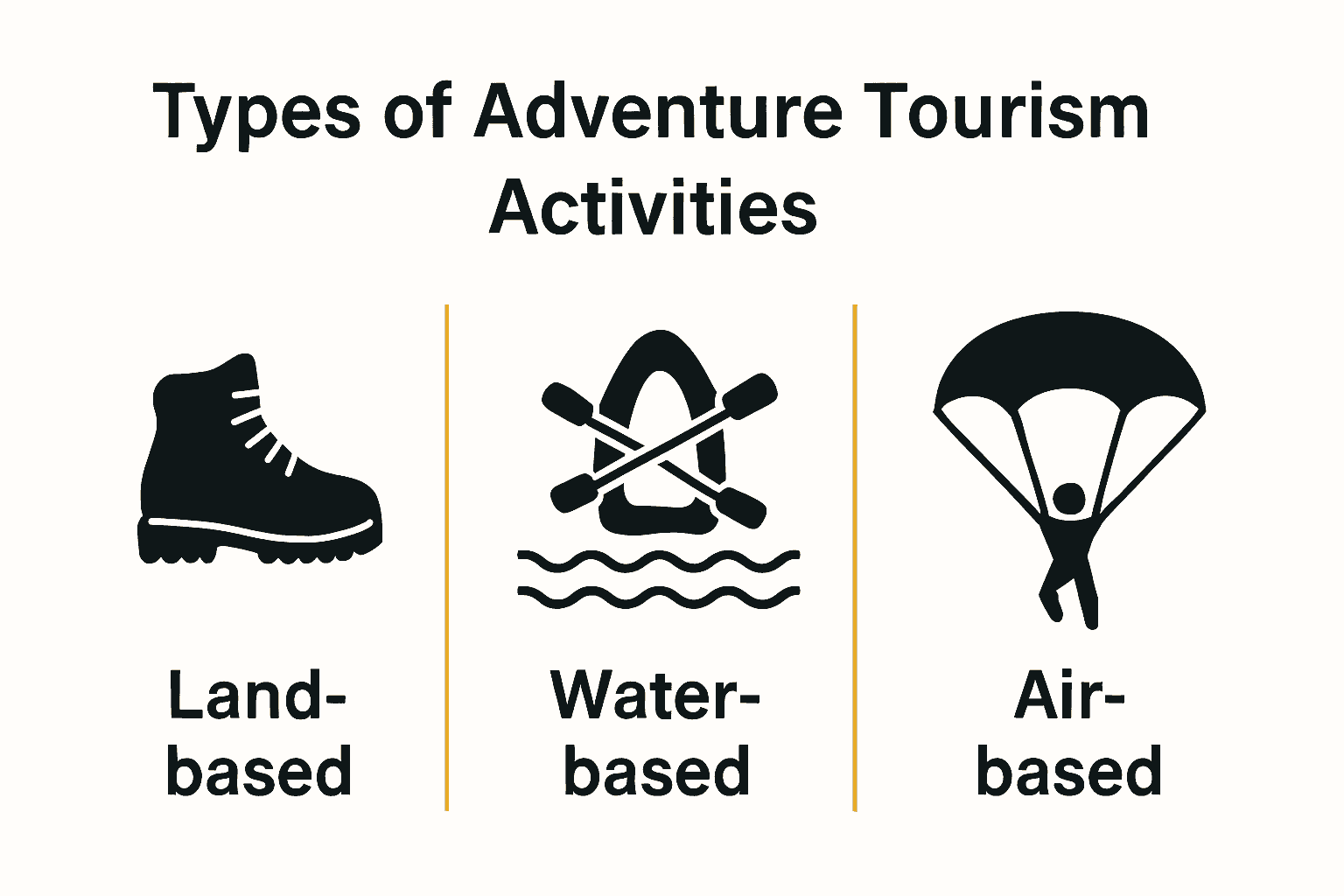
Adventure tourism offers an exhilarating range of experiences that cater to different thrill levels and environmental preferences. banotes.org categorizes adventure tourism into three primary domains: land-based, water-based, and air-based adventures, each presenting unique challenges and extraordinary experiences for passionate travelers.
Land-Based Adventures
Land adventures represent the most diverse category of adventure tourism, appealing to those who seek terrain-driven challenges. These activities include:
- Mountaineering: Scaling challenging peaks and navigating complex alpine environments
- Rock Climbing: Testing physical and mental limits on natural and artificial climbing surfaces
- Hiking: Traversing remote trails, mountain paths, and wilderness landscapes
- Caving: Exploring underground networks and geological formations
- Trekking: Extended walking journeys through diverse and often challenging terrains
Water-Based Adventures
Water adventures attract travelers who thrive in dynamic liquid environments. Exciting options include:
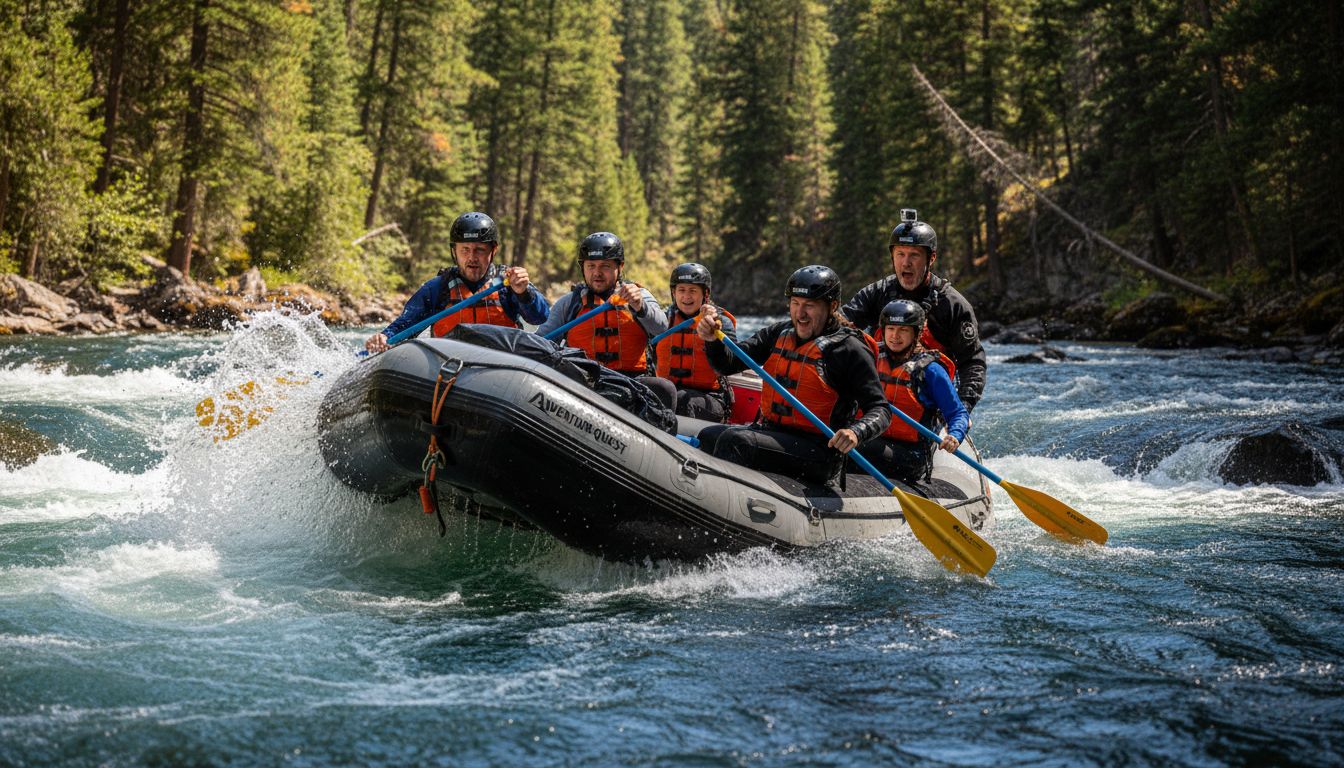
- White-Water Rafting: Navigating turbulent river rapids
- Scuba Diving: Exploring underwater ecosystems and marine environments
- Surfing: Riding challenging ocean waves
- Sea Kayaking: Exploring coastal regions and marine landscapes
- Underwater Cave Exploration: Investigating submerged geological formations
Air-Based Adventures
For those seeking ultimate adrenaline rushes, air-based adventures provide unparalleled excitement and perspective. These thrilling activities encompass:
- Skydiving: Freefalling from significant altitudes
- Paragliding: Soaring over landscapes using wind currents
- Hot Air Ballooning: Experiencing serene yet spectacular aerial views
- Hang Gliding: Navigating atmospheric currents with minimal mechanical support
Each adventure type offers a unique blend of physical challenge, environmental interaction, and personal transformation. The core appeal lies not just in the activity itself, but in the profound sense of accomplishment, connection with nature, and personal growth that accompanies these extraordinary experiences.
How Adventure Tourism Experiences Work
Adventure tourism experiences are meticulously designed journeys that transform ordinary travel into extraordinary personal challenges. According to vedaadventures.org, these experiences encompass a wide range of activities like skydiving, scuba diving, bungee jumping, and whitewater rafting, each crafted to push personal boundaries and create unforgettable memories.
Structural Components of Adventure Tourism
Typically, adventure tourism experiences follow a structured approach that ensures both safety and excitement:
- Pre-Experience Assessment
- Physical fitness evaluation
- Skills and experience level screening
- Safety orientation and training
- Equipment fitting and preparation
- On-Site Experience
- Guided instruction
- Supervised activity execution
- Real-time risk management
- Gradual challenge progression
- Post-Experience Debrief
- Performance review
- Safety feedback
- Personal achievement recognition
- Optional skill development recommendations
Environmental and Personal Dynamics
keralaadventure.org highlights that adventure tourism fundamentally involves engaging with natural settings like wildlife territories, mountain landscapes, and aquatic environments. These experiences are not just about the activity itself, but about unleashing one’s inner adventure spirit through carefully curated interactions with challenging environments.
The magic of adventure tourism lies in its transformative potential.
 Participants don’t just participate in an activity; they embark on a journey of personal discovery, pushing through mental and physical limitations. Whether navigating rapids, scaling mountain peaks, or exploring underwater worlds, each experience becomes a narrative of courage, resilience, and profound personal growth.
Key Safety Standards and Best Practices
Safety is the cornerstone of any successful adventure tourism experience. keralaadventure.org emphasizes that adventure activities like rock climbing, water roller, zorbing, and high rope courses must be conducted with proper equipment and trained personnel to create a secure environment for participants.
Critical Safety Components
Safety in adventure tourism is a multi-layered approach that encompasses several key elements:
- Equipment Standards
- High-quality, well-maintained gear
- Regular equipment inspections
- Age and weight-appropriate equipment
- Backup safety equipment
- Personnel Qualifications
- Certified instructors
- Current first aid and emergency response training
- Extensive local environmental knowledge
- Proven experience in specific adventure activities
- Risk Assessment Protocols
- Comprehensive pre-activity medical screenings
- Individual fitness and skill level evaluations
- Detailed risk management strategies
- Real-time environmental condition monitoring
Operational Best Practices
keralatourism.org highlights that accredited adventure tour operators must adhere to rigorous safety standards across various activities including ATV tours, jet ski rides, white water rafting, kayaking, and paragliding. These standards are designed to ensure participant well-being while maintaining the excitement of adventure experiences.
Successful adventure tourism safety goes beyond technical protocols. It requires a holistic approach that balances calculated risk with comprehensive preparation. Participants must be actively engaged in their own safety, following instructor guidelines, understanding personal limitations, and maintaining open communication throughout the experience. The goal is not to eliminate adventure, but to manage it intelligently and responsibly.
Risks, Legal Issues, and Responsible Travel
Adventure tourism involves inherent risks that require careful consideration and proactive management. wisdomlib.org highlights that activities like kayaking present unique risk profiles, with studies revealing interesting gender-based participation patterns and risk tolerances.
Understanding Inherent Risks
Key risk categories in adventure tourism include:
- Physical Risks
- Potential injury from activity
- Environmental hazards
- Equipment malfunction
- Physical fitness limitations
- Legal Risks
- Liability waivers
- Insurance coverage
- International legal jurisdictions
- Consent and informed participation
- Personal Risks
- Mental preparedness
- Individual skill limitations
- Psychological stress
- Unexpected environmental challenges
Responsible Travel Principles
thelongrun.org emphasizes that responsible travel transcends personal experience, focusing on environmental conservation and ethical engagement with local ecosystems. This approach requires travelers to:
- Minimize environmental impact
- Respect local cultural norms
- Support local economies
- Practice sustainable tourism principles
- Prioritize ecological preservation
Responsible adventure tourism is a delicate balance between personal exploration and environmental stewardship. Travelers must recognize that their experiences are interconnected with broader ecological and social systems. By approaching adventure with mindfulness, respect, and a commitment to sustainable practices, participants can transform potentially risky experiences into meaningful, transformative journeys that benefit both themselves and the environments they explore.
Discover Transformative Adventure with Personalized Boat Tours in Albania
Adventure tourism invites you to seek thrilling challenges that engage your body, mind, and soul while connecting deeply with nature. The article highlights the core elements of physical activity, cultural immersion, and natural environments alongside the importance of safety and responsible travel. If you are craving an extraordinary experience that balances excitement with expert guidance and environmental respect, VloraBoatTrips.al offers exclusive access to the breathtaking Karaburun–Sazan Marine Park where every journey is crafted to push your adventure boundaries safely and meaningfully.
Experience exhilarating speedboat tours, explore hidden gems like Haxhi Ali Cave and Grama Bay, and embrace both the rugged beauty and rich culture of the Albanian Riviera. Our commitment to small groups, personalized service, and stringent safety standards ensures you not only engage in unforgettable water-based adventures but also practice sustainable tourism that honors this pristine environment.
Ready to turn your adventure tourism dreams into reality?
Don’t wait to dive into an authentic experience that blends natural wonder, physical challenge, and cultural discovery. Book your tailored boat excursion now at VloraBoatTrips.al and begin the adventure journey you deserve. Explore more about our unique speedboat tours and special private charters designed just for you by visiting VloraBoatTrips.al. Embrace the thrill safely and sustainably today.
Frequently Asked Questions
What is adventure tourism?
Adventure tourism is a type of travel that involves immersive experiences that challenge personal boundaries, incorporating physical activity, a natural environment, and cultural immersion to create transformative journeys.
What are the main types of adventure tourism activities?
Adventure tourism activities are categorized into three primary domains: land-based adventures (like hiking and rock climbing), water-based adventures (such as scuba diving and white-water rafting), and air-based adventures (including skydiving and paragliding).
How can I ensure safety during an adventure tourism experience?
To ensure safety, it’s important to choose accredited adventure tour operators that follow strict safety standards, including high-quality equipment, qualified personnel, and comprehensive risk assessment protocols.
What are the key risks associated with adventure tourism?
Key risks in adventure tourism include physical risks (like injury), legal risks (such as liability waivers), and personal risks (related to individual skill levels and mental preparedness). Travelers should be aware of these risks and take precautions accordingly.